Introduction
Want your website to rank faster and crush the competition? Then you need to pay attention to something most marketers overlook: Profile Backlinks.
Here’s the truth: Google doesn’t just look at your website content. It looks at who’s linking to you and how trustworthy those links are. That’s why even a small backlink from a high-authority profile can have a bigger impact than dozens of low-quality links scattered across the web.
Profile Backlinks are different from regular backlinks. Instead of relying on guest posts or blog comments, you create links through your profiles on social media sites, forums, professional communities, and business directories. Each profile you build is a signal to Google that your brand exists, is credible, and is trusted by real communities.
In this guide, we’re going to show you exactly what Profile Backlinks are, why they matter, and how to build them the right way. No fluff. No shortcuts. Just proven strategies that actually work in 2025.
By the time you finish reading, you’ll have a step-by-step blueprint to strengthen your off-page SEO, boost your rankings, and create a digital footprint that Google can’t ignore.
Digital Marketing: How Profile Backlinks Strengthen Your Off Page SEO Strategy
Ever wondered why some websites rank insanely fast while others struggle for months?
In digital marketing, one small but powerful tactic silently fuels higher rankings: Profile Backlinks.
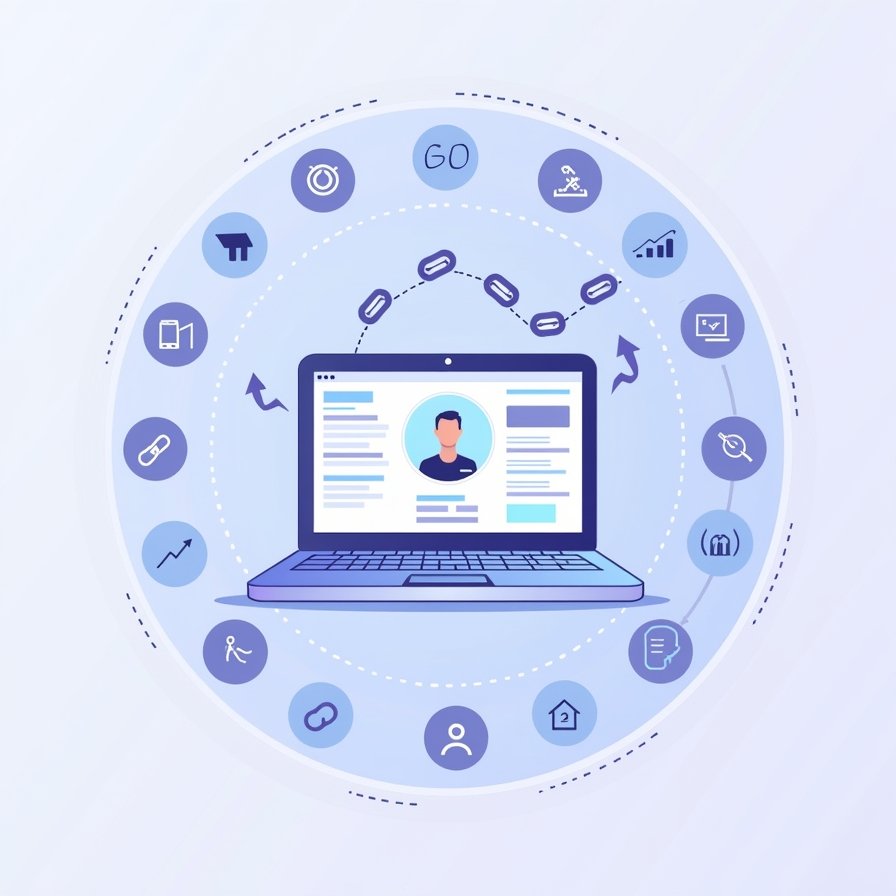
Yes, those simple profile links you create on trusted platforms can dramatically elevate your authority — if you use them the right way.
But what exactly are these backlinks?
How do you build them effectively?
And which platforms give the best results?
Let’s break everything down step-by-step.
What Are Profile Backlinks? – A Basic Understanding
If you’re serious about digital marketing, understanding Profile Backlinks is non-negotiable.
But what are they?
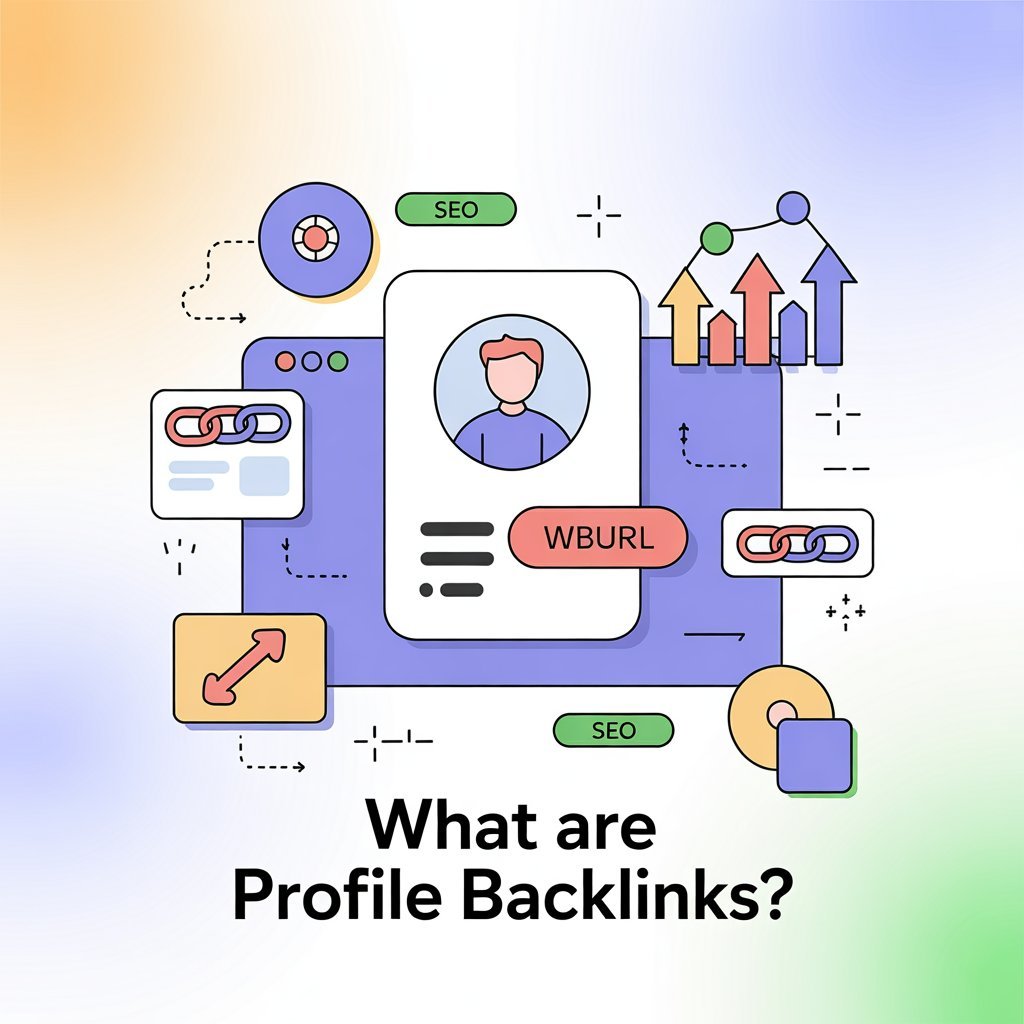
Profile Backlinks are links that you place inside user profiles on various platforms — such as forums, business directories, Q&A sites, social networks, and professional communities.
Whenever you sign up on a website and fill out your personal or business profile, you usually get an option to add your website URL. This URL becomes a backlink pointing directly to your site.
Sounds simple, right?
But here’s what makes Profile Backlinks important:
1. They Help Build Trust Instantly
Google values websites that appear in trusted communities.
When your brand consistently shows up across verified platforms, it sends a strong trust signal.
2. They Increase Online Visibility
More profiles = more visibility.
Users searching for your services may discover your brand from multiple sources.
3. They Support Your Off Page SEO Structure
Profile Backlinks add diversity to your backlink profile — an important part of off page SEO.
4. They Lay the Foundation for Future Link Building
Many platforms allow posting, commenting, and community engagement.
Your profile link becomes your identity.
So, are Profile Backlinks alone enough to rank a site?
Not always — but they provide an excellent starting point in your digital marketing strategy.
How to Create Effective Profile Backlinks
Creating Profile Backlinks isn’t rocket science.
But creating effective, high-quality, and SEO-friendly ones?
That’s where most people go wrong.
Here’s a step-by-step blueprint to help you build strong Profile Backlinks for off page SEO.
1. Start With High-Authority Platforms
Ask yourself:
“If this platform shut down tomorrow, would it affect thousands of users?”
If the answer is yes, it’s a good platform.
Only use websites that:
- Have high domain authority (DA)
- Are trusted by Google
- Have real users
- Are active communities
Examples include:
- Medium
- Quora
- Behance
- Crunchbase
- GitHub
These platforms pass better trust signals.
2. Use Complete Profile Information
Why do most Profile Backlinks fail?
Because users leave profiles half-filled.
A complete profile looks trustworthy and sends a positive signal to both platforms and search engines.
Fill in everything:
- Full name or brand name
- Profile picture
- Bio
- Social links
- Website URL
- Location
- Skills or expertise
Search engines treat complete profiles as authentic sources.
3. Add Your Focus Keywords Naturally in Your Bio
You’re doing digital marketing, so why skip keyword optimization?
Include terms like:
- digital marketing
- SEO expert
- content strategist
- online marketing specialist
- off page SEO professional
A keyword-optimized profile sends topical relevance to Google.
4. Use Branded URLs Instead of Exact-Match Keywords
Avoid spammy URLs like:
- Best-digital-marketing-services-cheap.com
- Buy-SEO-now.com
Instead, use clean branded URLs.
Search engines trust brands more than keyword-stuffed domains.
5. Ensure Profiles Are Public
Many platforms allow you to hide your profile.
If Google cannot crawl the page, the backlink becomes useless.
Always check if the profile is:
- Public
- Indexed
- Visible without login
This single step can double your SEO value.
6. Don’t Create Too Many Profiles in One Day
You’ve seen people create 200+ profile links overnight.
Is it smart?
Absolutely not.
It looks spammy and unnatural.
Stick to this safe pattern:
- 5 to 10 profile backlinks per week
- Spread activity across different platforms
- Avoid footprints (same bio everywhere)
Slow and steady wins the SEO race.
7. Use Real Information — Not Fake Data
Fake names, fake images, fake bios?
Google hates fake signals.
Authenticity wins.
Even if you’re using a brand name, keep details real and consistent.
8. Track Your Profiles Using a Single Sheet
Too many profiles?
You’ll forget where you created them.
Maintain a simple spreadsheet including:
- Website name
- URL of your public profile
- Login email
- Password
- DA of platform
- Indexed status
Organization is part of digital marketing excellence.
9. Build Contextual Trust by Engaging on the Platform
Many platforms allow:
- Community engagement
- Posting content
- Asking questions
- Sharing opinions
The more active you are, the stronger your profile authority becomes.
And stronger profiles = more powerful Profile Backlinks.
Where to Build Profile Backlinks for Best Results
Want to know the million-dollar secret?
Not all Profile Backlinks are equal.
Some platforms move rankings faster because they’re extremely trusted by Google.
Here’s a carefully curated list of categories and platforms to build high-impact Profile Backlinks.
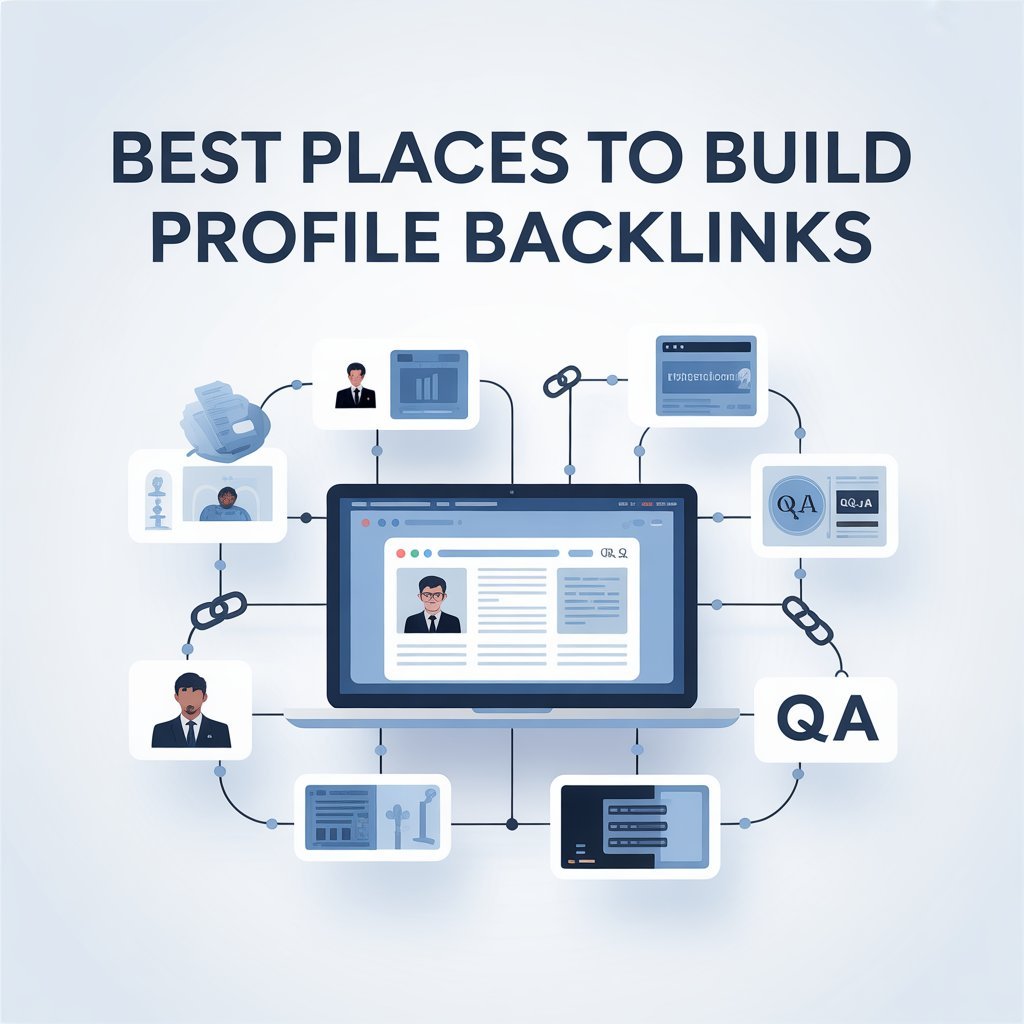
1. Social Platforms
Social sites have strong authority and trust by default.
Examples:
- Twitter (X)
- YouTube
Don’t underestimate these links — they boost online visibility significantly.
2. Business Directories
Great for local SEO and brand credibility.
Examples:
- JustDial
- IndiaMart
- Yellow Pages
- HotFrog
- Yelp
These links build trust for small businesses.
3. Professional Communities
Perfect for showcasing expertise.
Examples:
- Behance
- Dribbble
- GitHub
- StackOverflow
- Crunchbase
These platforms help build niche authority.
4. Forums and Discussion Platforms
Forums are great for engagement and brand mentions.
Examples:
- Quora
- Warrior Forum
- BlackHatWorld
- DigitalPoint
Just avoid spam — contribute meaningfully.
5. Q&A and Knowledge Platforms
These sites have strong organic traffic.
Examples:
- Quora
- StackExchange
- SuperUser
Add a website link inside your profile and in relevant answers.
Things to Consider When Creating Profile Backlinks
Before you start creating hundreds of backlinks, pause for a moment.
Ask yourself:
“Am I building quality, or am I just building numbers?”
Here are crucial things you must consider if you want long-term SEO impact.
1. Quality Beats Quantity Every Time
A single profile link from a DA90 website is worth more than 50 low-quality links.
Focus on authority — not volume.
2. Avoid Spammy or Low-Quality Platforms
Many sites exist solely for link building.
Google can detect these instantly.
Avoid platforms with:
- Low DA
- No real users
- Too many outbound links
- No moderation
- Spam comments everywhere
These sites can hurt your SEO.
3. Stay Consistent with Brand Information
Your brand name, logo, and messaging must stay consistent across all profiles.
Consistency builds trust.
4. Keep an Eye on Indexing
A backlink that isn’t indexed = wasted effort.
Use Google Search Console or third-party tools to check if your profile URLs are indexed.
5. Diversify Your Backlink Profile
Don’t rely solely on Profile Backlinks.
Mix these with:
- Guest posts
- Social sharing
- Blog comments
- Article submissions
- Web 2.0 links
Diversification is a major part of off page SEO.
6. Avoid Keyword Stuffing
Yes, you want to rank for digital marketing.
But stuffing keywords in your bio looks spammy.
Keep it natural and user-friendly.
7. Update Your Profile Regularly
Many users create and forget profiles.
Updating them helps in:
- Increasing trust
- Improving visibility
- Maintaining fresh signals for Google
Add:
- New achievements
- New articles
- New services
Make your profile look alive.
Final Thoughts
Profile Backlinks may look simple, but they are incredibly powerful when used strategically in digital marketing.
The key is consistency, quality, and authenticity.
If you treat Profile Backlinks as part of your long-term off page SEO efforts — not a shortcut — you’ll see sustainable growth.
And if you’re learning digital marketing or improving your skills, institutes like DSOM train students to build backlinks the right way — focusing on real strategies that Google actually trusts.
So, ask yourself:
Are you building backlinks like everyone else, or are you building backlinks that Google trusts?
Make smart choices today — your rankings will thank you tomorrow.