Introduction
If you want to win in digital marketing, you need one thing most people ignore: a clean, strategic, well-structured sitemap.
Here’s the truth.
Search engines are smart—but they’re not mind-readers.
They need direction.
They need clarity.
They need a blueprint of your site.
It is that blueprint.
Whether you run a blog, a business site, or an eCommerce store, it quietly pushes your pages to get discovered, crawled, and indexed faster.
That means better visibility, more traffic, and stronger on page SEO.
What Is a Sitemap?
It is a blueprint that tells search engines exactly how your website is structured.
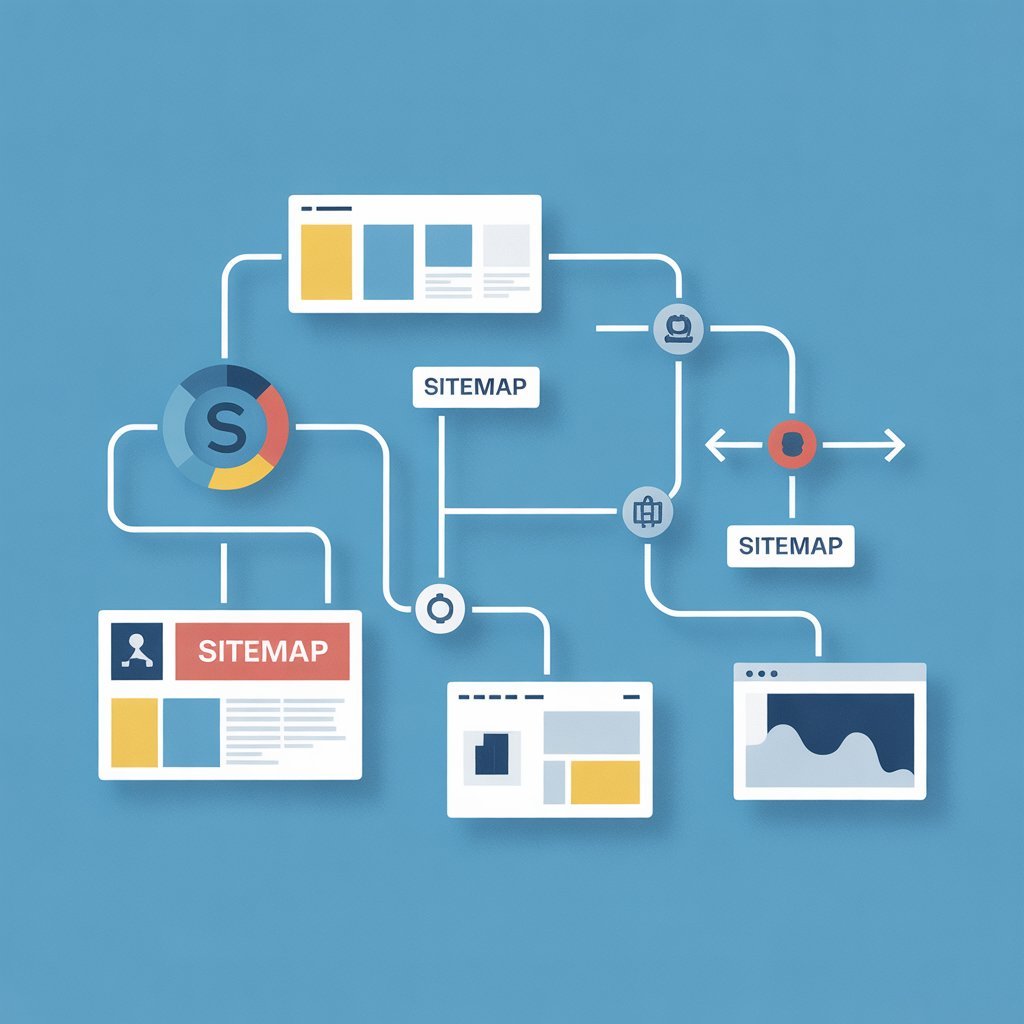
It tells search engines:
- What pages you have
- Which pages matter most
- When they were updated
- How they connect to each other
In other words:
It removes guesswork for search engines.
And in digital marketing, removing friction = boosting visibility.
Think of it like this:
Website without a clear structure is like a city without street signs. Crawlers wander, waste time, and miss important pages.
Why Sitemaps Matter in Digital Marketing
Here’s the part most people miss.
It doesn’t just help search engines.
It supercharges your entire digital marketing strategy.
Here’s why:
Your pages get indexed faster
New blog post? Updated service page? Fresh landing page?
It helps them appear in search results sooner.
Crawl budget is used smartly
Google won’t waste resources crawling useless pages.
Your important URLs get priority.
Perfect for growing websites
The bigger your site, the harder crawling becomes.
It keeps everything organized and discoverable.
Boosts On Page SEO
It reinforces:
- Page hierarchy
- Update frequency
- Relevance
- Internal structure
A strong sitemap means faster indexing, smarter crawling, and better overall SEO results.
XML vs HTML Sitemap: Which One Matters for SEO?
There are two main types, each serving a different purpose—and both are useful.
Both serve different purposes—and both are useful.
XML Sitemap (For Search Engines)
This is the powerhouse.
The one Google cares about.
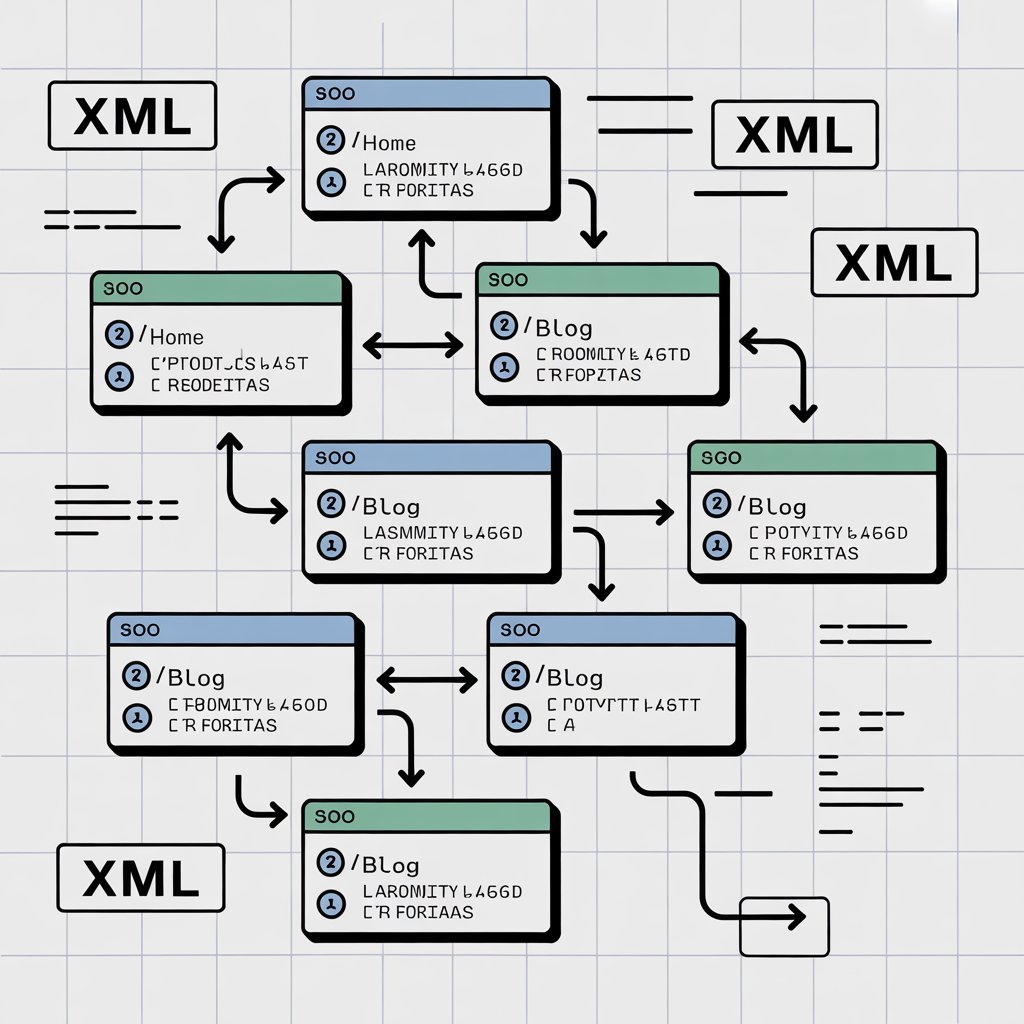
An XML sitemap includes:
- All important URLs
- Priority level
- Last modified date
- Change frequency
It looks technical, but don’t worry—you don’t need to understand the code.
Why it Matters
- Search engines crawl faster
- Large sites get indexed better
- New pages get picked up instantly
- Improves overall On page SEO
HTML Sitemap (For Users)
This one helps humans.
It’s a clean list of all pages, structured for easy navigation.
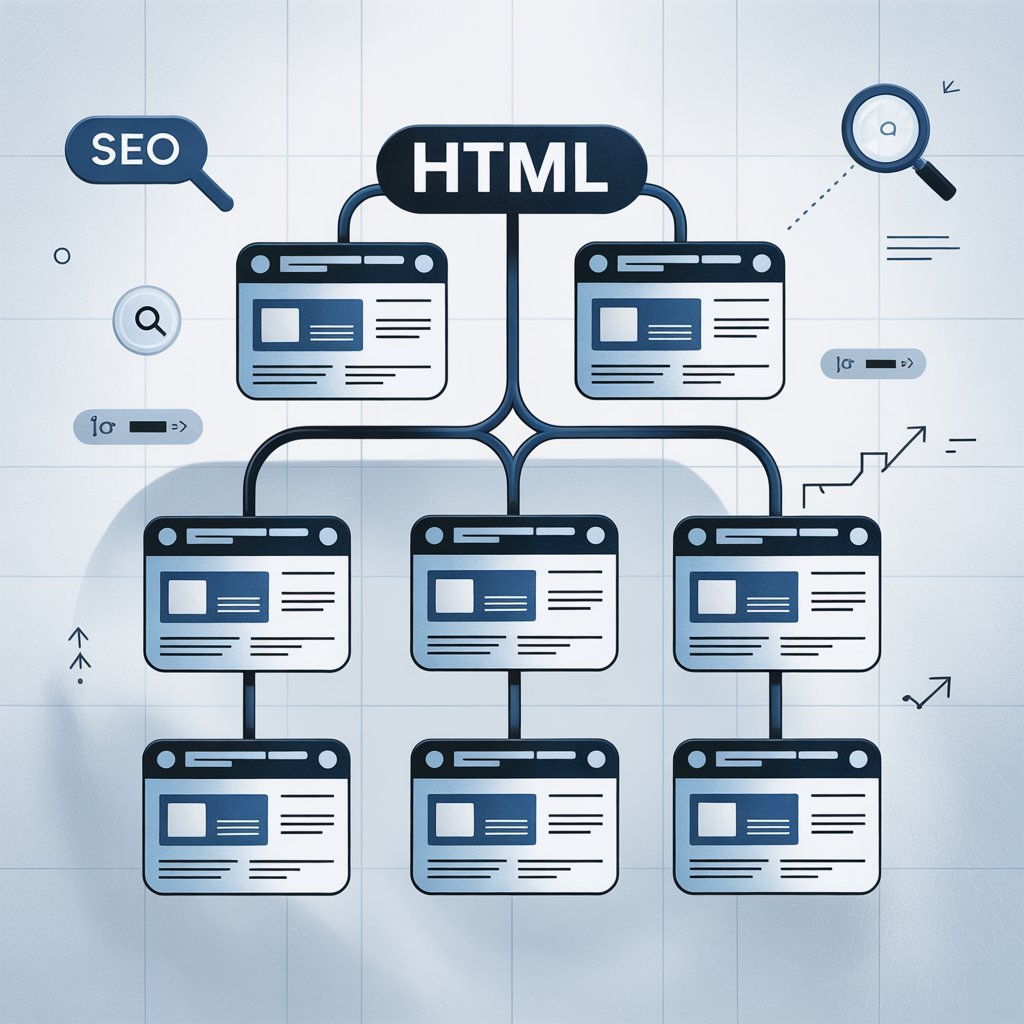
Why it matters:
- Better user experience
- Lower bounce rate
- Easy browsing for deep pages
It’s not essential—but it’s extremely helpful for user-friendly websites.
How to Create a High-Impact Sitemap
Creating a sitemap doesn’t take hours.
You can do it in 2 minutes using the right tools.
Let’s break it down by platform.
WordPress (Easiest Option)
Install one plugin:
- Yoast SEO
- Rank Math
- AIOSEO
They generate and update it automatically.
No coding.
No manual work.
Shopify, Wix, Squarespace, Webflow
These platforms generate a sitemap by default.
Just visit: yourwebsite.com/sitemap.xml
And it’s done.
Custom Websites (HTML, PHP, Laravel, React, etc.)
Use tools like:
- XML
- Screaming Frog
- Dyno Mapper
They crawl your site and generate a clean XML file.
Upload that file to your website root folder.
Pro Tips for a Cleaner Sitemap
Want search engines to love your site?
Follow these quick wins:
- Remove broken URLs
- Remove duplicate pages
- Remove thin pages
- Remove tag archives
- Add only indexable, important URLs
- Keep it under 50,000 URLs
- Update it when major changes happen
It leads to fast crawling
And fast crawling leads to stronger SEO.
How to Submit Your Sitemap
Now that you created it, you need to submit it.
Otherwise, search engines may never find it.
Submit to Google Search Console
- Open Google Search Console
- Go to Indexing then Sitemaps
- Enter your sitemap URL
- Hit Submit
Google will start indexing your site based on that file.
This is one of the fastest ways to boost digital marketing visibility.
Submit to Bing Webmaster Tools
Same process.
- Open Webmaster Tools
- Go to Sitemaps
- Add URL
- Submit
If you target global traffic—Bing indexing matters.
Where to Place Your Sitemap (For Maximum Discoverability)
You want search engines to find your it instantly.
Here’s where to place it.
Add It to Robots.txt
This is crucial.
Add this line:
Sitemap: https://yourwebsite.com/sitemap.xml
Google reads robots.txt first.
So it gets discovered immediately.
Add It to Your Footer (Optional)
Useful for HTML sitemaps.
Gives visitors one central place to navigate everything.
Keep It in Your Website Root Folder
Example: yourwebsite.com/sitemap.xml
Short, simple, accessible.
Sitemaps Guide Search Engines AND Users
Most people think they are only for search engines.
Not true.
It improves:
Search Engine Understanding
Crawlers get a complete view of your structure.
User Navigation
Especially on large sites with 100+ pages.
On Page SEO Signals
More clarity leads to better crawling
And better crawling leads to stronger rankings.
Digital Marketing Performance
Every page you want to rank is now easier to find.
That means:
- More impressions
- More clicks
- More conversions
It is one of the simplest, fastest SEO wins available today.
The Blueprint of Your Website: Sitemap Essentials
Use this checklist to ensure your sitemap is perfect.
- Keep only important URLs
- Add canonical URLs only
- Don’t include redirects
- Don’t include no-index pages
- Submit to Google
- Add to robots.txt
- Update regularly
- Keep the structure clean
- Use multiple files if needed
- Make your site architecture simple
- Use descriptive, clean URLs
How a Sitemap Strengthens Your On Page SEO
It directly impacts on page SEO by:
Reinforcing page hierarchy
Google understands which pages matter most.
Helping discover orphan pages
Pages without internal links still get indexed.
Accelerating fresh content indexing
Perfect for blogs and landing pages.
Supporting structured updates
When your content changes, it signals it.
This is one of the fastest ways to strengthen on page SEO at scale.
Final Takeaway
If you’re serious about digital marketing, don’t skip them.
They help:
- Search engines understand your website
- Users navigate your content effortlessly
- Pages get indexed way faster
- You build a stronger on page SEO foundation
- You gain long-term ranking momentum
It isn’t “optional.”
It’s a core part of a winning SEO strategy—and one of the easiest to implement.
And if you want to master essentials like this, DSOM – Dehradun School of Online Marketing teaches it in a way that’s practical, actionable, and beginner-friendly.
Their training makes technical SEO feel simple, so you can apply strategies like indexing, and crawling with total confidence.